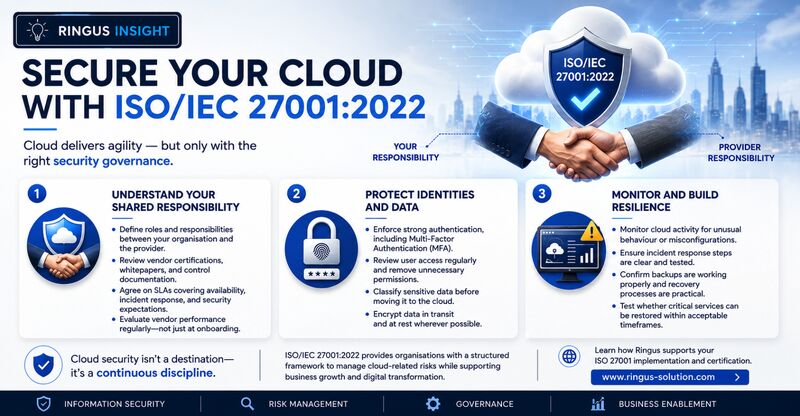
𝗪𝗵𝘆 𝗧𝗵𝗿𝗲𝗮𝘁 𝗜𝗻𝘁𝗲𝗹𝗹𝗶𝗴𝗲𝗻𝗰𝗲 𝗠𝗮𝘁𝘁𝗲𝗿𝘀 𝗶𝗻 𝗜𝗦𝗢 𝟮𝟳𝟬𝟬𝟭:𝟮𝟬𝟮𝟮 (𝗔.𝟱.𝟳)
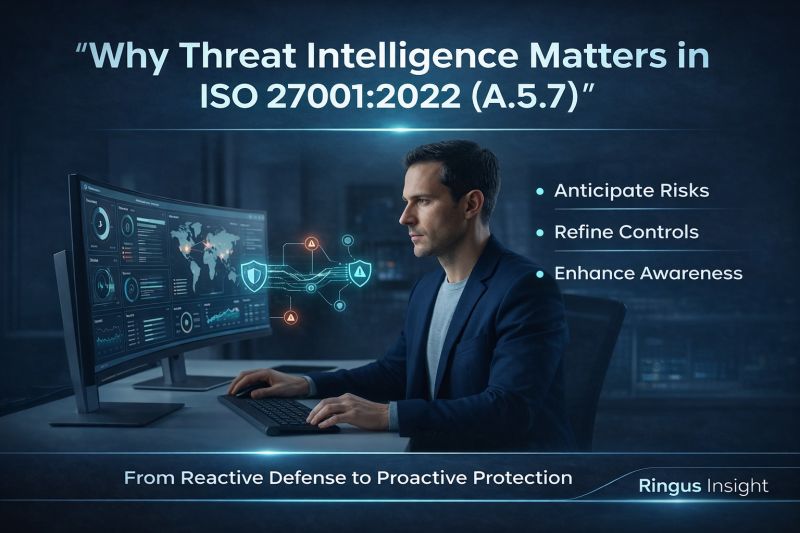
In the updated 𝗜𝗦𝗢 𝟮𝟳𝟬𝟬𝟭:𝟮𝟬𝟮𝟮, Control 𝗔.𝟱.𝟳 – 𝗧𝗵𝗿𝗲𝗮𝘁 𝗜𝗻𝘁𝗲𝗹𝗹𝗶𝗴𝗲𝗻𝗰𝗲 highlights a crucial shift in cybersecurity: moving from reactive defense to proactive awareness.
Simply put, 𝘆𝗼𝘂 𝗰𝗮𝗻’𝘁 𝗽𝗿𝗼𝘁𝗲𝗰𝘁 𝘄𝗵𝗮𝘁 𝘆𝗼𝘂 𝗱𝗼𝗻’𝘁 𝘂𝗻𝗱𝗲𝗿𝘀𝘁𝗮𝗻𝗱—and that includes the evolving threats targeting your organization.
So, why invest in Threat Intelligence?
🔍 𝗔𝗻𝘁𝗶𝗰𝗶𝗽𝗮𝘁𝗲 𝗥𝗶𝘀𝗸𝘀: It helps you identify potential attackers, exploited vulnerabilities, and emerging tactics before they impact your business.
⚙️ 𝗥𝗲𝗳𝗶𝗻𝗲 𝗬𝗼𝘂𝗿 𝗖𝗼𝗻𝘁𝗿𝗼𝗹𝘀: Insights from threat intel directly improve risk assessments, incident response plans, and patch management priorities.
🧠 𝗘𝗻𝗵𝗮𝗻𝗰𝗲 𝗔𝘄𝗮𝗿𝗲𝗻𝗲𝘀𝘀: It builds a culture of security, keeping leadership and staff alert to the latest cybersecurity trends.
𝗛𝗼𝘄 𝘁𝗼 𝗶𝗺𝗽𝗹𝗲𝗺𝗲𝗻𝘁 𝗧𝗵𝗿𝗲𝗮𝘁 𝗜𝗻𝘁𝗲𝗹𝗹𝗶𝗴𝗲𝗻𝗰𝗲 𝗲𝗳𝗳𝗲𝗰𝘁𝗶𝘃𝗲𝗹𝘆:
1. 𝗚𝗮𝘁𝗵𝗲𝗿: Collect data from trusted internal logs, industry reports, threat feeds, and information-sharing communities (e.g. HKCERT, NIST).
2. 𝗔𝗻𝗮𝗹𝘆𝘇𝗲: Filter and contextualize the intelligence—focus on what’s relevant to your assets, operations, and regulatory obligations.
3. 𝗔𝗰𝘁: Integrate findings into your ISMS. Update risk registers, inform training, and adjust technical controls as new threats emerge.
4. 𝗥𝗲𝘃𝗶𝗲𝘄: Continuously evaluate and refine the intelligence sources and processes to keep them accurate and actionable.
Threat intelligence isn’t about collecting more data—it’s about collecting 𝘴𝘮𝘢𝘳𝘵𝘦𝘳 data that drives real security decisions.
🔒 In short, 𝗔.𝟱.𝟳 𝗲𝗻𝘀𝘂𝗿𝗲𝘀 𝘁𝗵𝗮𝘁 𝗼𝗿𝗴𝗮𝗻𝗶𝘇𝗮𝘁𝗶𝗼𝗻𝘀 𝘀𝘁𝗮𝘆 𝗶𝗻𝗳𝗼𝗿𝗺𝗲𝗱, 𝗿𝗲𝘀𝗽𝗼𝗻𝘀𝗶𝘃𝗲, 𝗮𝗻𝗱 𝗿𝗲𝘀𝗶𝗹𝗶𝗲𝗻𝘁 𝗶𝗻 𝗮 𝗿𝗮𝗽𝗶𝗱𝗹𝘆 𝗰𝗵𝗮𝗻𝗴𝗶𝗻𝗴 𝘁𝗵𝗿𝗲𝗮𝘁 𝗹𝗮𝗻𝗱𝘀𝗰𝗮𝗽𝗲.
👉 How is your organization integrating threat intelligence into your cybersecurity strategy today?
Further reading