AI Management Standard

At Ringus, we believe that responsible AI adoption is not just a trendโ€”itโ€™s a necessity. With AI transforming industries, leading organizations / entities like NIST, ISO/IEC, HK DPO, the EU, and the UK ICO have published critical guidance / frameworks / standards to ensure AI is ethical, transparent, and risk-aware.

Key Best Practice / Standard for AI Deployment and Governance:
๐Ÿ‘‰ UK ICO Guidance on AI and Data Protection and AI and Data Protection Risk Toolkit โ€“ A reference guidance and toolkit to help businesses avoid privacy violations and bias in AI systems.
๐Ÿ‘‰NIST AI Risk Management Framework (AI RMF 1.0) โ€“ A structured approach to manage risks to individuals, organizations, and society associated with AI.
๐Ÿ‘‰EU AI Act (2024) and Relevant Guideline / Codes of Practice (Under Drafting) โ€“ A legal requirement that sets out a clear set of risk-based rules for AI systems and general-purpose AI models. Relevant guideline and Codes of Practice are under development to provide guidance on compliance of regulation.
๐Ÿ‘‰Ethical Artificial Intelligence Framework and Hong Kong Generative Artificial Intelligence Technical and Application Guideline  โ€“  A framework that provide practical guidance on embedding ethical principles into AI adoption, focusing on fairness, transparency, and accountability.
๐Ÿ‘‰ISO/IEC 42001:2023 โ€“ The first global AI management standard, which provide a comprehensive, certifiable framework to establish, implement, maintain, and continually improve trustworthy AI management systems for ensuring responsible, ethical, and secure AI development and deployment.

Why Compliance Matters
โœ… Builds Trust โ€“ Customers and regulators demand transparent and fair AI.
โœ… Reduces Legal Risks โ€“ Non-compliance with frameworks like the EU AI Act can lead to heavy fines.
โœ… Prevents Reputation Damage โ€“ AI failures, such as AI bias and privacy breaches, can harm your brand permanently.

We help businesses integrate AI responsiblyโ€”aligning with global standards and requirements to minimize risks and maximize trust. Feel free to connect with our team for actionable insights on secure and ethical technology adoption.

More Updates

Further reading

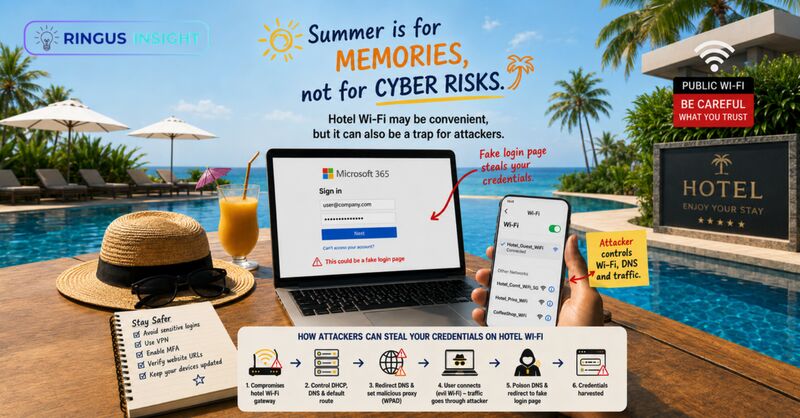
๐—ฆ๐˜‚๐—บ๐—บ๐—ฒ๐—ฟ ๐—ต๐—ผ๐—น๐—ถ๐—ฑ๐—ฎ๐˜†๐˜€ ๐—ฎ๐—ฟ๐—ฒ ๐—ต๐—ฒ๐—ฟ๐—ฒ! ๐—›๐—ฎ๐˜ƒ๐—ฒ ๐˜†๐—ผ๐˜‚ ๐—ฝ๐—น๐—ฎ๐—ป๐—ป๐—ฒ๐—ฑ ๐˜†๐—ผ๐˜‚๐—ฟ ๐—ป๐—ฒ๐˜…๐˜ ๐˜๐—ฟ๐—ถ๐—ฝ ๐˜†๐—ฒ๐˜?

Whether you are travelling overseas, staying at a hotel, or working remotely while enjoying your vacation, there is one thing many of us rely on every day โ€” ๐—ต๐—ผ๐˜๐—ฒ๐—น ๐—ช๐—ถ-๐—™๐—ถ.After checking in, it is common to connect your laptop or phone to the hotel network without thinking twice. But have you ever wondered:โ€œ๐—–๐—ฎ๐—ป ๐—œ ๐—ฟ๐—ฒ๐—ฎ๐—น๐—น๐˜† ๐˜๐—ฟ๐˜‚๐˜€๐˜ ๐˜๐—ต๐—ถ๐˜€ ๐—ช๐—ถ-๐—™๐—ถ ๐—ป๐—ฒ๐˜๐˜„๐—ผ๐—ฟ๐—ธ?โ€Public Wi-Fi networks are convenient, but they can also become a target for attackers. A compromised hotel Wi-Fi gateway could potentially allow attackers to manipulate network traffic, redirect users to fake login pages, and steal sensitive information such as Microsoft 365 credentials.Some common risks include:๐Ÿ”น Fake Wi-Fi login portals๐Ÿ”น DNS redirection to malicious websites๐Ÿ”น Credential harvesting through fake Microsoft 365 login pages๐Ÿ”น Session hijacking attemptsA few simple steps can greatly reduce the risk:โœ… Avoid accessing sensitive accounts on unknown networksโœ… Use a trusted VPN when connecting through public Wi-Fiโœ… Enable Multi-Factor Authentication (MFA)โœ… Verify the website address before entering credentialsโœ… Avoid installing unexpected certificates or applications requested by public networks

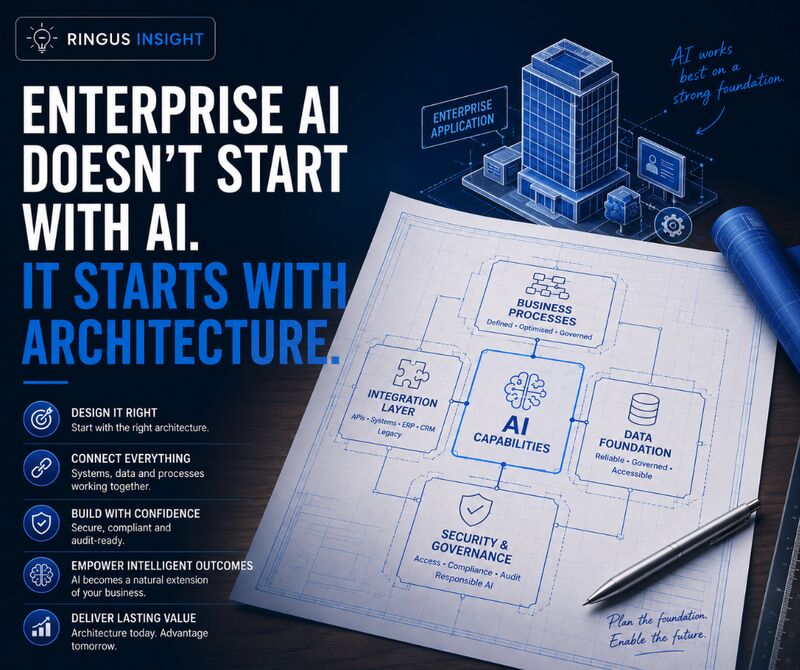
๐—˜๐—ป๐˜๐—ฒ๐—ฟ๐—ฝ๐—ฟ๐—ถ๐˜€๐—ฒ ๐—”๐—œ ๐——๐—ผ๐—ฒ๐˜€๐—ป'๐˜ ๐—ฆ๐˜๐—ฎ๐—ฟ๐˜ ๐˜„๐—ถ๐˜๐—ต ๐—”๐—œ. ๐—œ๐˜ ๐—ฆ๐˜๐—ฎ๐—ฟ๐˜๐˜€ ๐˜„๐—ถ๐˜๐—ต ๐—”๐—ฟ๐—ฐ๐—ต๐—ถ๐˜๐—ฒ๐—ฐ๐˜๐˜‚๐—ฟ๐—ฒ.

Every organisation is asking the same question today:"๐˜๐˜ฐ๐˜ธ ๐˜ค๐˜ข๐˜ฏ ๐˜ธ๐˜ฆ ๐˜ช๐˜ฏ๐˜ต๐˜ณ๐˜ฐ๐˜ฅ๐˜ถ๐˜ค๐˜ฆ ๐˜ˆ๐˜ ๐˜ช๐˜ฏ๐˜ต๐˜ฐ ๐˜ฐ๐˜ถ๐˜ณ ๐˜ฃ๐˜ถ๐˜ด๐˜ช๐˜ฏ๐˜ฆ๐˜ด๐˜ด?"But experienced solution architects often start somewhere else.They ask:"๐˜๐˜ด ๐˜ต๐˜ฉ๐˜ฆ ๐˜ฃ๐˜ถ๐˜ด๐˜ช๐˜ฏ๐˜ฆ๐˜ด๐˜ด ๐˜ด๐˜บ๐˜ด๐˜ต๐˜ฆ๐˜ฎ ๐˜ฅ๐˜ฆ๐˜ด๐˜ช๐˜จ๐˜ฏ๐˜ฆ๐˜ฅ ๐˜ต๐˜ฐ ๐˜ด๐˜ถ๐˜ฑ๐˜ฑ๐˜ฐ๐˜ณ๐˜ต ๐˜ˆ๐˜ ๐˜ง๐˜ณ๐˜ฐ๐˜ฎ ๐˜ต๐˜ฉ๐˜ฆ ๐˜ฃ๐˜ฆ๐˜จ๐˜ช๐˜ฏ๐˜ฏ๐˜ช๐˜ฏ๐˜จ?"That's an important distinction.Modern enterprise platforms such as ๐—ข๐˜‚๐˜๐—ฆ๐˜†๐˜€๐˜๐—ฒ๐—บ๐˜€ now make it possible to build applications, workflows, integrations and AI capabilities within a single development ecosystem.Adding AI is becoming easier than ever.Designing an application that allows AI to deliver reliable business value is the real challenge.Because AI does not work in isolation.It relies on the business systems behind it.Before AI can analyse information, automate decisions or assist users, it depends on a strong enterprise foundation:๐Ÿ”ธ ๐—–๐—น๐—ฒ๐—ฎ๐—ฟ๐—น๐˜† ๐—ฑ๐—ฒ๐—ณ๐—ถ๐—ป๐—ฒ๐—ฑ ๐—ฏ๐˜‚๐˜€๐—ถ๐—ป๐—ฒ๐˜€๐˜€ ๐—ฝ๐—ฟ๐—ผ๐—ฐ๐—ฒ๐˜€๐˜€๐—ฒ๐˜€๐Ÿ”ธ ๐—ฅ๐—ฒ๐—น๐—ถ๐—ฎ๐—ฏ๐—น๐—ฒ ๐—ฎ๐—ป๐—ฑ ๐—ด๐—ผ๐˜ƒ๐—ฒ๐—ฟ๐—ป๐—ฒ๐—ฑ ๐—ฑ๐—ฎ๐˜๐—ฎ๐Ÿ”ธ ๐—ช๐—ฒ๐—น๐—น-๐—ฑ๐—ฒ๐˜€๐—ถ๐—ด๐—ป๐—ฒ๐—ฑ ๐˜€๐˜†๐˜€๐˜๐—ฒ๐—บ ๐—ถ๐—ป๐˜๐—ฒ๐—ด๐—ฟ๐—ฎ๐˜๐—ถ๐—ผ๐—ป๐˜€๐Ÿ”ธ ๐—–๐—ผ๐—ป๐˜€๐—ถ๐˜€๐˜๐—ฒ๐—ป๐˜ ๐—ฏ๐˜‚๐˜€๐—ถ๐—ป๐—ฒ๐˜€๐˜€ ๐—ฟ๐˜‚๐—น๐—ฒ๐˜€๐Ÿ”ธ ๐—”๐—ฝ๐—ฝ๐—ฟ๐—ผ๐—ฝ๐—ฟ๐—ถ๐—ฎ๐˜๐—ฒ ๐˜€๐—ฒ๐—ฐ๐˜‚๐—ฟ๐—ถ๐˜๐˜† ๐—ฎ๐—ป๐—ฑ ๐—ฎ๐—ฐ๐—ฐ๐—ฒ๐˜€๐˜€ ๐—ฐ๐—ผ๐—ป๐˜๐—ฟ๐—ผ๐—น๐˜€These are not "AI features."They are architectural decisions.When these foundations are built into the application from Day One, AI becomes a natural extension of the business rather than an isolated feature.This is why successful enterprise AI projects don't begin with selecting an AI model.They begin with designing an application architecture that allows AI, data, workflows and enterprise systems to work together seamlessly.That's where enterprise low-code platforms like ๐—ข๐˜‚๐˜๐—ฆ๐˜†๐˜€๐˜๐—ฒ๐—บ๐˜€ create long-term value.Not by simply making development faster.But by providing a platform where business applications can continuously evolve as new technologiesโ€”including AIโ€”become part of the organisation's digital journey.Before asking:"๐˜๐˜ฐ๐˜ธ ๐˜ฅ๐˜ฐ ๐˜ธ๐˜ฆ ๐˜ข๐˜ฅ๐˜ฅ ๐˜ˆ๐˜ ๐˜ต๐˜ฐ ๐˜ต๐˜ฉ๐˜ช๐˜ด ๐˜ข๐˜ฑ๐˜ฑ๐˜ญ๐˜ช๐˜ค๐˜ข๐˜ต๐˜ช๐˜ฐ๐˜ฏ?"Perhaps the better question is:"๐˜ˆ๐˜ณ๐˜ฆ ๐˜ธ๐˜ฆ ๐˜ฅ๐˜ฆ๐˜ด๐˜ช๐˜จ๐˜ฏ๐˜ช๐˜ฏ๐˜จ ๐˜ข๐˜ฏ ๐˜ข๐˜ฑ๐˜ฑ๐˜ญ๐˜ช๐˜ค๐˜ข๐˜ต๐˜ช๐˜ฐ๐˜ฏ ๐˜ต๐˜ฉ๐˜ข๐˜ต ๐˜ช๐˜ด ๐˜ณ๐˜ฆ๐˜ข๐˜ฅ๐˜บ ๐˜ต๐˜ฐ ๐˜ฆ๐˜ท๐˜ฐ๐˜ญ๐˜ท๐˜ฆ ๐˜ธ๐˜ช๐˜ต๐˜ฉ ๐˜ˆ๐˜ ๐˜ง๐˜ณ๐˜ฐ๐˜ฎ ๐˜‹๐˜ข๐˜บ ๐˜–๐˜ฏ๐˜ฆ?"Because successful enterprise AI isn't defined by the intelligence of the model.๐—œ๐˜'๐˜€ ๐—ฒ๐—ป๐—ฎ๐—ฏ๐—น๐—ฒ๐—ฑ ๐—ฏ๐˜† ๐˜๐—ต๐—ฒ ๐—ถ๐—ป๐˜๐—ฒ๐—น๐—น๐—ถ๐—ด๐—ฒ๐—ป๐—ฐ๐—ฒ ๐—ผ๐—ณ ๐˜๐—ต๐—ฒ ๐—ฎ๐—ฟ๐—ฐ๐—ต๐—ถ๐˜๐—ฒ๐—ฐ๐˜๐˜‚๐—ฟ๐—ฒ ๐—ฏ๐—ฒ๐—ต๐—ถ๐—ป๐—ฑ ๐—ถ๐˜.

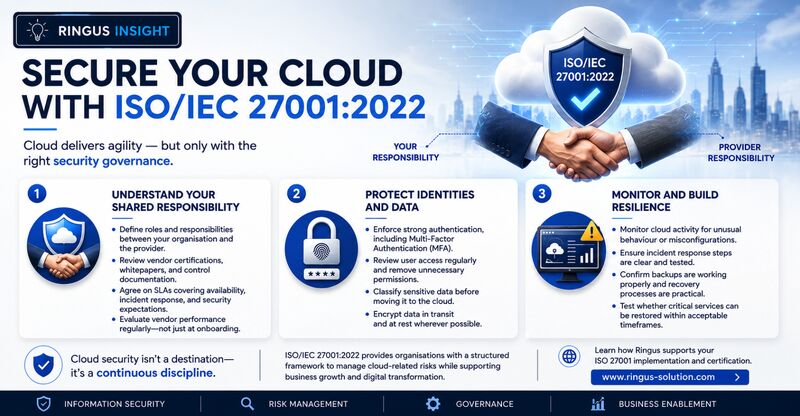
๐—ฆ๐—ฒ๐—ฐ๐˜‚๐—ฟ๐—ถ๐—ป๐—ด ๐˜๐—ต๐—ฒ ๐—–๐—น๐—ผ๐˜‚๐—ฑ ๐˜„๐—ถ๐˜๐—ต ๐—œ๐—ฆ๐—ข/๐—œ๐—˜๐—– ๐Ÿฎ๐Ÿณ๐Ÿฌ๐Ÿฌ๐Ÿญ:๐Ÿฎ๐Ÿฌ๐Ÿฎ๐Ÿฎ

Cloud services have become the backbone of modern business, enabling organisations to operate with greater speed, flexibility, and scalability. However, moving to the cloud does ๐—ป๐—ผ๐˜ transfer all security responsibilities to the cloud provider.Many cloud platforms operate under a ๐˜€๐—ต๐—ฎ๐—ฟ๐—ฒ๐—ฑ ๐—ฟ๐—ฒ๐˜€๐—ฝ๐—ผ๐—ป๐˜€๐—ถ๐—ฏ๐—ถ๐—น๐—ถ๐˜๐˜† ๐—บ๐—ผ๐—ฑ๐—ฒ๐—น, where organisations remain accountable for protecting their data, identities, and cloud configurations. That's why effective cloud security requires more than selecting a trusted providerโ€”it demands clear governance, ongoing monitoring, and practical security controls.Here are three key areas organisations should focus on when securing their cloud environments:โ˜๏ธ ๐Ÿญ. ๐—จ๐—ป๐—ฑ๐—ฒ๐—ฟ๐˜€๐˜๐—ฎ๐—ป๐—ฑ ๐—ฌ๐—ผ๐˜‚๐—ฟ ๐—ฆ๐—ต๐—ฎ๐—ฟ๐—ฒ๐—ฑ ๐—ฅ๐—ฒ๐˜€๐—ฝ๐—ผ๐—ป๐˜€๐—ถ๐—ฏ๐—ถ๐—น๐—ถ๐˜๐˜†A strong cloud security strategy begins with clearly defining responsibilities between your organisation and the cloud service provider.ใƒปClearly define security roles and responsibilities between both parties.ใƒปReview the provider's security certifications, whitepapers, and control documentation.ใƒปEstablish Service Level Agreements (SLAs) covering availability, incident response, and security expectations.ใƒปRegularly evaluate the provider's security performanceโ€”not just during onboarding.๐Ÿ” ๐Ÿฎ. ๐—ฃ๐—ฟ๐—ผ๐˜๐—ฒ๐—ฐ๐˜ ๐—œ๐—ฑ๐—ฒ๐—ป๐˜๐—ถ๐˜๐—ถ๐—ฒ๐˜€ ๐—ฎ๐—ป๐—ฑ ๐——๐—ฎ๐˜๐—ฎProtecting access and sensitive information remains one of the most critical aspects of cloud security.ใƒปEnforce strong authentication, including Multi-Factor Authentication (MFA).ใƒปReview user access regularly and remove unnecessary permissions.ใƒปClassify sensitive data before migrating it to cloud environments.ใƒปEncrypt data both in transit and at rest wherever possible.๐Ÿ“Š ๐Ÿฏ. ๐— ๐—ผ๐—ป๐—ถ๐˜๐—ผ๐—ฟ ๐—ฎ๐—ป๐—ฑ ๐—•๐˜‚๐—ถ๐—น๐—ฑ ๐—ฅ๐—ฒ๐˜€๐—ถ๐—น๐—ถ๐—ฒ๐—ป๐—ฐ๐—ฒCloud security is an ongoing process that requires continuous visibility and preparedness.ใƒปMonitor cloud environments for unusual activities and configuration issues.ใƒปEnsure cloud-specific incident response procedures are clearly defined and tested.ใƒปVerify that backup processes are functioning correctly and can support recovery.ใƒป Regularly test whether critical services can be restored within acceptable recovery timeframes.Cloud security is not a one-time projectโ€”it's an ongoing discipline built on ๐—ฐ๐—น๐—ฒ๐—ฎ๐—ฟ ๐—ผ๐˜„๐—ป๐—ฒ๐—ฟ๐˜€๐—ต๐—ถ๐—ฝ, ๐—ฟ๐—ฒ๐—ด๐˜‚๐—น๐—ฎ๐—ฟ ๐—ฟ๐—ฒ๐˜ƒ๐—ถ๐—ฒ๐˜„, ๐—ฎ๐—ป๐—ฑ ๐—ฐ๐—ผ๐—ป๐˜๐—ถ๐—ป๐˜‚๐—ผ๐˜‚๐˜€ ๐—ถ๐—บ๐—ฝ๐—ฟ๐—ผ๐˜ƒ๐—ฒ๐—บ๐—ฒ๐—ป๐˜.๐—ฅ๐—ฒ๐—บ๐—ฒ๐—บ๐—ฏ๐—ฒ๐—ฟ: Moving to the cloud doesn't transfer your security responsibilitiesโ€”it changes how they should be managed.ISO/IEC 27001:2022 provides organisations with a structured framework to manage cloud-related risks while supporting business growth and digital transformation.